
2024 Statistics for Animal Experiments in Ireland 

 2024 Statistics for Animal Experiments in Ireland 

The Irish Anti-Vivisection Society is highly critical of the Government and Health Products Regulatory Authority for allowing painful animal tests to increase in Ireland for the second year in a row. Official figures released on the HPRA website on 16th December 2025 reveal a shocking increase in the number of animals used in Irish laboratories in 2024, up by 5,710 to 112,349 compared with 2023. Since 2022, the annual toll has risen by 19,410 animals.

The number of experiments involving the infliction of ‘severe’ pain and suffering remains unacceptably high, with 19,054 enduring such extreme cruelty, representing an increase of over 44%, or almost 6,000 animals, in just two years.
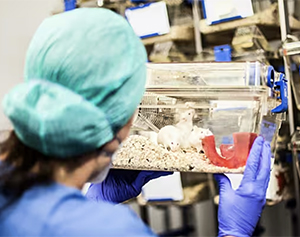
112,000 Animals used in Irish Lab Experiments last year

112,000 Animals used in Irish Lab Experiments last year

MORE THAN 112,000 animals were used for research and testing purposes in Irish laboratories during 2024, representing a 5% increase on the previous year, new figures have revealed.

Mice were used in almost 86% of the experiments but other species included dogs, guinea pigs, rabbits, horses, goats, and ferrets. Around 1,400 animals were used in more than one experiment. Just over 19,000 of the experiments involved “severe” pain and suffering for the animals, as categorised by the Health Products Regulatory Authority (HPRA), which is responsible for protecting animals used for scientific purposes.

The increase in the use of animals in Irish labs for a second consecutive year has been criticised by the Irish Anti-Vivisection Society (IAVS), which said the rise in “severe” experiments was particularly worrying. “The number of experiments involving the infliction of ‘severe’ pain and suffering remains unacceptably high, with 19,054 enduring such extreme cruelty, representing an increase of over 44%, or almost 6,000 animals, in just two years,” said a spokesman.

Dogs and Horses used in Irish Lab Experiments last year

Dogs and Horses used in Irish Lab Experiments last year

More than 112,000 animals were used for research and testing purposes in Irish laboratories during 2024, representing a five per cent increase on the previous year, new figures have revealed.

Mice were used in almost 86 per cent of the experiments but other species included dogs, guinea pigs, rabbits, horses, goats, and ferrets. Around 1,400 animals were used in more than one experiment.

Just over 19,000 of the experiments involved “severe” pain and suffering for the animals, as categorised by the Health Products Regulatory Authority (HPRA), which is responsible for protecting animals used for scientific purposes.

106,000 Live Animals used in Scientific Research in 2023

106,000 Live Animals used in Scientific Research in 2023

Dogs and cats were among more than 106,000 live animals used for scientific research and testing last year, representing an increase of around 15 per cent compared to 2022. There was also a significant rise in the number of experiments involving “severe” suffering for the test animals. These rose by almost 50 per cent to 19,816 during 2023.

This increase has been attributed to the expansion of testing for Botox-type products, most of which relate to cosmetics. Around 68,500 animals were used in these tests last year, which are fatal in the vast majority of cases. Mice were the most commonly used animal in scientific research and testing in Ireland last year, accounting for 81 per cent of the 106,639 animals subjected to procedures.

A total of 14,105 of the animals were used for “basic research”, according to the HPRA, while 17,527 were used for translational and applied research. Regulatory use and routine production accounted for 75,109 of the animal uses, which included the testing of Botox-type products.

The Irish Anti-Vivisection Society, which campaigns against the use of animals in scientific research, described the increase in animal suffering outlined in the latest report as “appalling”.

 2023 Statistics for Animal Experiments in Ireland 

 2023 Statistics for Animal Experiments in Ireland 

The Irish Anti-Vivisection Society (IAVS) is deeply appalled at the latest annual increase in animal suffering in Irish labs. Statistics for the year 2023 reveal 107,873 animal experiments, an increase of 14,934 or 16% compared with 2022. 

The figures for the pain and suffering caused by these experiments make for even more worrying reading. There has been a disturbing rise in the number of animals forced to endure ‘severe’ suffering, going up from 13,212 to 19,816, an increase of 6,604 or almost 50%.

More than 90,000 animals used in Irish laboratories

More than 90,000 animals used in Irish laboratories

More than 90,000 animals were used for testing in Irish laboratories in 2022, according to the latest figures from the Health Products Regulatory Authority (HPRA). The study comes as animal rights groups continue to call for alternative ways to test medicines. In its annual report, the HPRA said mice were the most commonly used species for tests, at 72%, while rats, pigs, and sheep were also experimented on. The total number of uses of animals in testing overall was 92,939, while some animals were tested on more than once.

93,000 animals used in experiments last year

93,000 animals used in experiments last year

Dogs, cats and rabbits were among almost 93,000 animals used for research and scientific experiments in Ireland last year, according to newly released figures. It represents a decrease of over 23 per cent compared to 2021. However, there was a notable rise in the number of dogs, cats, rabbits and horses used in lab tests last year. The most frequently used animals in 2022 were mice, around 50,000 of which are understood to have been used in lethal experiments intended to test the strength of cosmetic botox.

2022 Statistical Report for Animal Experiments

2022 Statistical Report for Animal Experiments

The IAVS condemns the grim toll of almost 93,000 animals in Irish vivisection labs during 2022. The figures only count experiments that are likely to cause the animals pain, distress, suffering and lasting harm. Almost all the animals die during or are killed after the tests, even when they could be rehomed.

  • 1
  • 2